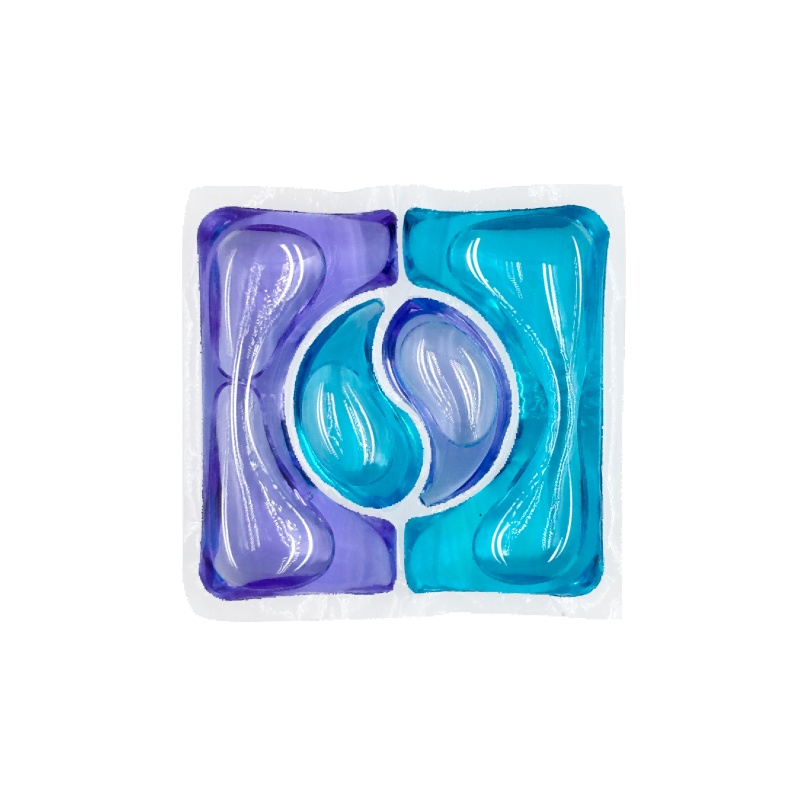
Automated Liquid Dose Capsule Filling Machine Overview

application/Automated-liquid-dose-capsule-filling-machine, application/Automated-liquid-dose-capsule-filling-machine, 
Inquiry
Inquiry

Automated liquid dose capsule filling machine

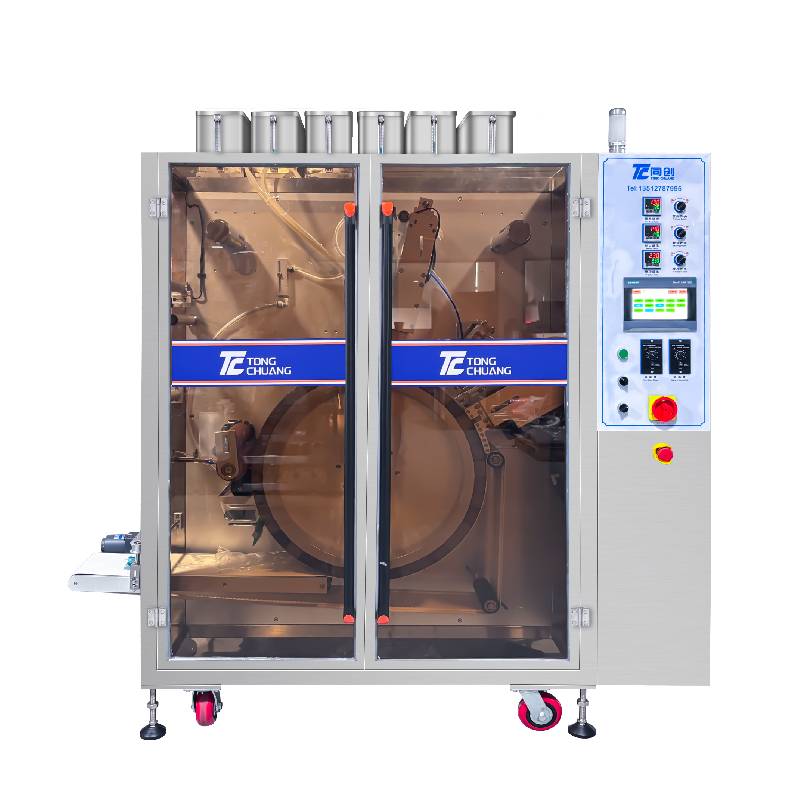
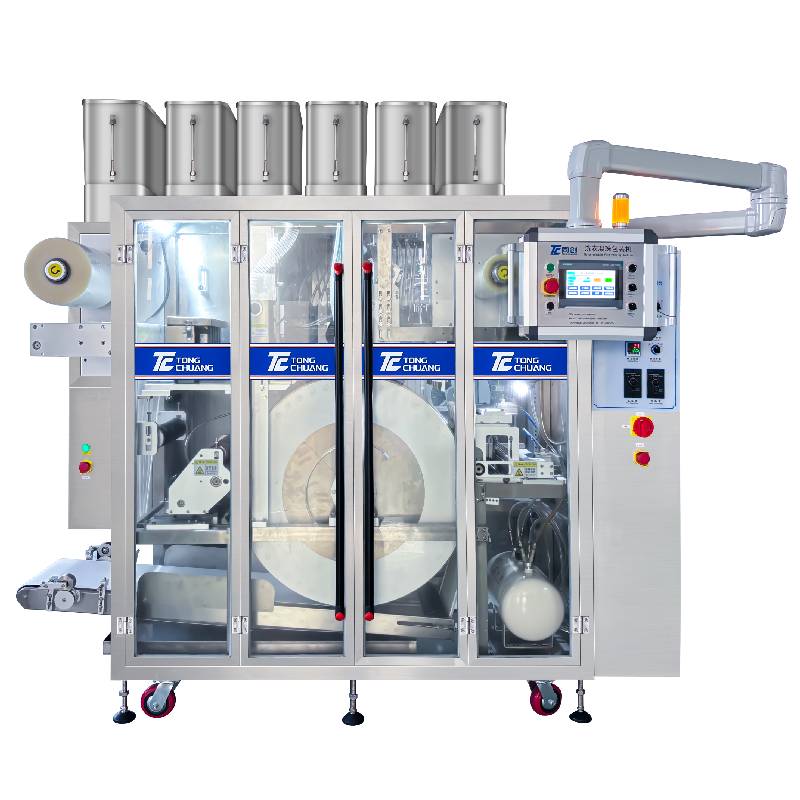
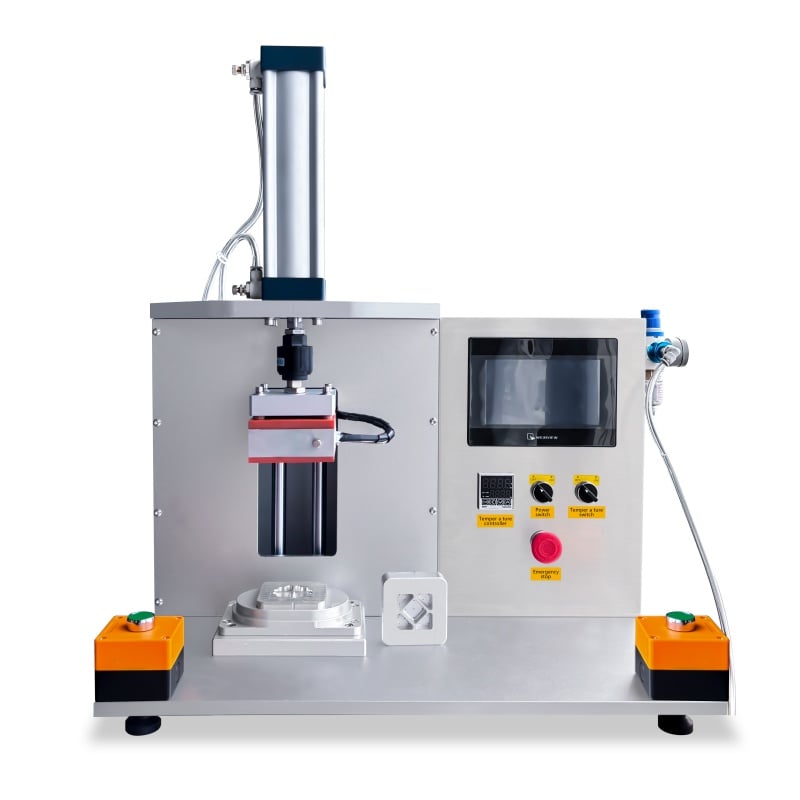
Automated liquid dose capsule filling machines are essential for manufacturers looking to streamline their production processes in the detergent industry. These machines enhance efficiency by precisely filling capsules with liquid formulations, ensuring consistency and reducing waste. As a purchasing manager or engineer, your main concerns likely revolve around machine specifications, operational efficiency, and compatibility with existing production lines. This article will provide insights into the specifications and features of these machines, common operational challenges, installation guidance, cost considerations for bulk orders, and their applications across various industries. For manufacturers focused on specific product types, the Detergent Pods Sample Making Machine can also be an important consideration.

Common Problems and Solutions in Capsule Filling Operations

Common Problems and Solutions in Capsule Filling Operations

Despite their advantages, automated liquid dose capsule filling machines can encounter several common problems. One frequent issue is inconsistent filling, which can arise from equipment misalignment or variations in the liquid viscosity. To mitigate this, it’s essential to regularly calibrate the filling mechanisms and conduct viscosity tests on the liquid formulations.

Another challenge is the frequent clogging of filling nozzles, particularly when dealing with viscous or particulate-laden liquids. Regular maintenance and cleaning schedules can help prevent this, as can the use of specialized nozzles designed for thicker liquids.

Additionally, ensuring proper capsule integrity during the filling process is crucial. Capsules may crack or deform if the filling pressure is too high. Implementing pressure regulation systems and monitoring capsule quality can help minimize these issues.

Installation Guidance for Automated Liquid Dose Capsule Filling Machines

Installation Guidance for Automated Liquid Dose Capsule Filling Machines

Proper installation of an automated liquid dose capsule filling machine is critical for optimal performance. Begin by ensuring that the machine is set up in a clean, dry area with adequate space for operation and maintenance. The installation site should also have access to necessary utilities, including electricity, water for cleaning, and compressed air if required.

Once the machine is positioned, it should be aligned according to the manufacturer’s specifications. This typically involves calibrating the filling nozzles and ensuring that the hopper is leveled. A thorough review of the user manual during installation can help identify specific requirements.

Post-installation, conduct a series of test runs to ensure that the machine operates correctly under real conditions. Monitoring the initial outputs can help identify any adjustments needed before full-scale production begins. It’s advisable to have a technician from the manufacturer present during the installation phase to assist with setup and troubleshooting.

Comparing Costs of Automated Capsule Filling Machines for Bulk Orders

Comparing Costs of Automated Capsule Filling Machines for Bulk Orders

When considering bulk orders of automated liquid dose capsule filling machines, several cost factors need to be evaluated. The initial purchase price often reflects the machine’s capabilities, including speed, accuracy, and additional features. However, buyers should also account for operational costs, such as maintenance, energy consumption, and the cost of replacement parts.

Another factor is the potential need for customization. Machines that can be tailored to specific production requirements may have a higher upfront cost, but they can lead to significant savings in the long run by reducing downtime and waste. This is especially true for models like the Large Detergent Pods Packaging Machine-TC-G530.

It’s also important to consider the total cost of ownership, which includes training for operators and the cost of any necessary upgrades in the future. Requesting quotes from multiple suppliers and comparing not only prices but also the warranties and after-sales support they offer can provide a clearer picture of the overall investment required.

Applications of Automated Liquid Dose Capsule Filling Machines in Industry

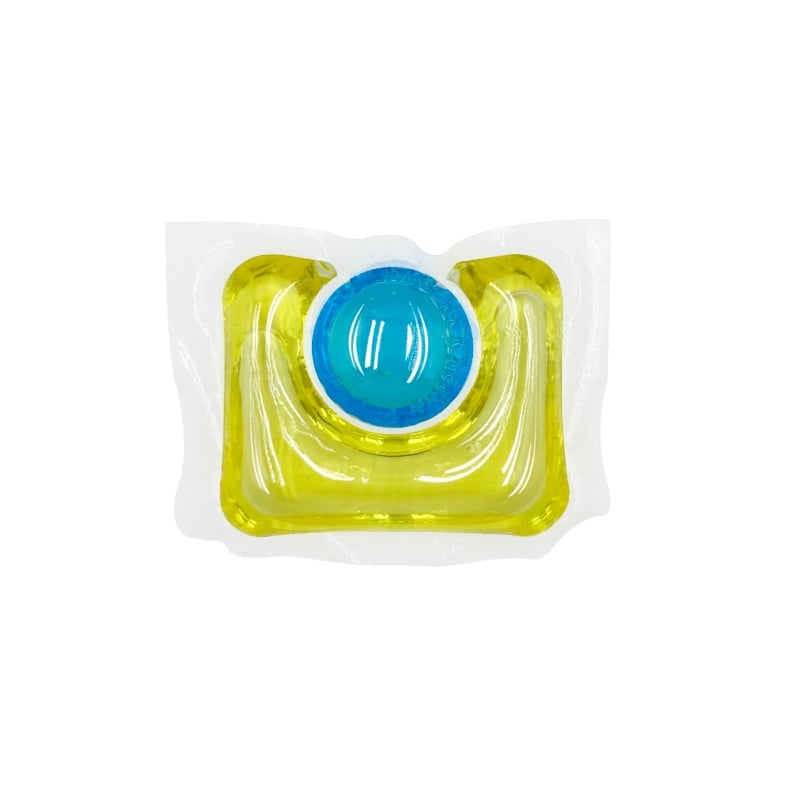
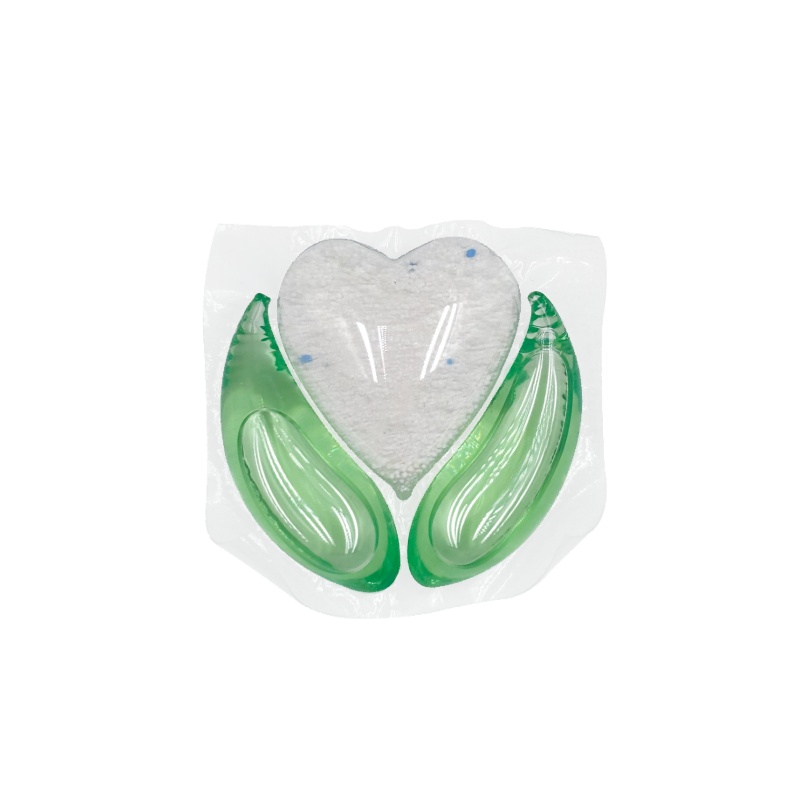
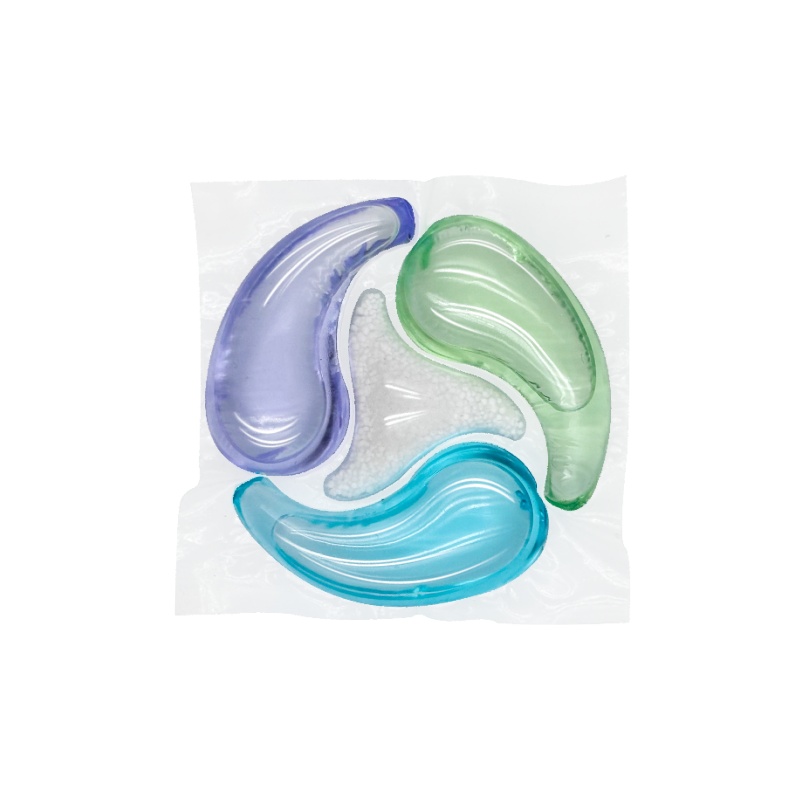
Automated liquid dose capsule filling machines find applications across various industries, but they are particularly prevalent in the detergent sector. These machines facilitate the production of water-soluble capsules for laundry pods, ensuring precise dosing for consumers. This application not only enhances convenience but also contributes to reducing waste associated with over-dosing.

Additionally, these machines are adaptable for use in pharmaceuticals, where precision and hygiene are paramount. They can fill capsules with liquid medications, vitamins, or supplements, catering to the growing demand for single-dose packaging.

In the cosmetics industry, automated filling machines are used to package serums and other liquid products in capsule form, allowing for targeted application and reducing contamination risks. The versatility of these machines makes them a valuable asset across multiple sectors, helping manufacturers meet diverse consumer needs while maintaining efficiency and product integrity.

By understanding the specifications, common challenges, installation requirements, cost considerations, and applications of automated liquid dose capsule filling machines, B2B buyers can make informed decisions that enhance their production capabilities and align with industry standards.

Automated Liquid Dose Capsule Filling Machine Specifications and Features

When evaluating automated liquid dose capsule filling machines, it’s crucial to consider several specifications and features that influence performance and efficiency. Key specifications include filling speed, accuracy, and the capacity of the hopper. Most machines can fill between 30 to 120 capsules per minute, depending on the model and complexity of the liquid being filled.

The accuracy of filling is essential, particularly in the detergent industry, where even slight variations can affect product efficacy. An ideal accuracy rate is within ±1% of the target volume. Additionally, the construction materials should be resistant to the corrosive nature of liquid detergents. Stainless steel is often preferred for its durability and ease of cleaning.

Advanced features such as programmable controls, automatic cleaning systems, and user-friendly interfaces enhance operational efficiency. Some machines also offer customization options to accommodate various capsule sizes and types, which is increasingly important as brands diversify their product offerings. For instance, the Customized Detergent Pods Packaging Machine-TC-G660 offers tailored solutions for specific products.

Get a Free Quote

Our representative will contact you soon.
0/1000